
An exclusive LIVE Webinar
Biosimilars –Know Your (Charge) Variants Like You Know Your Constants
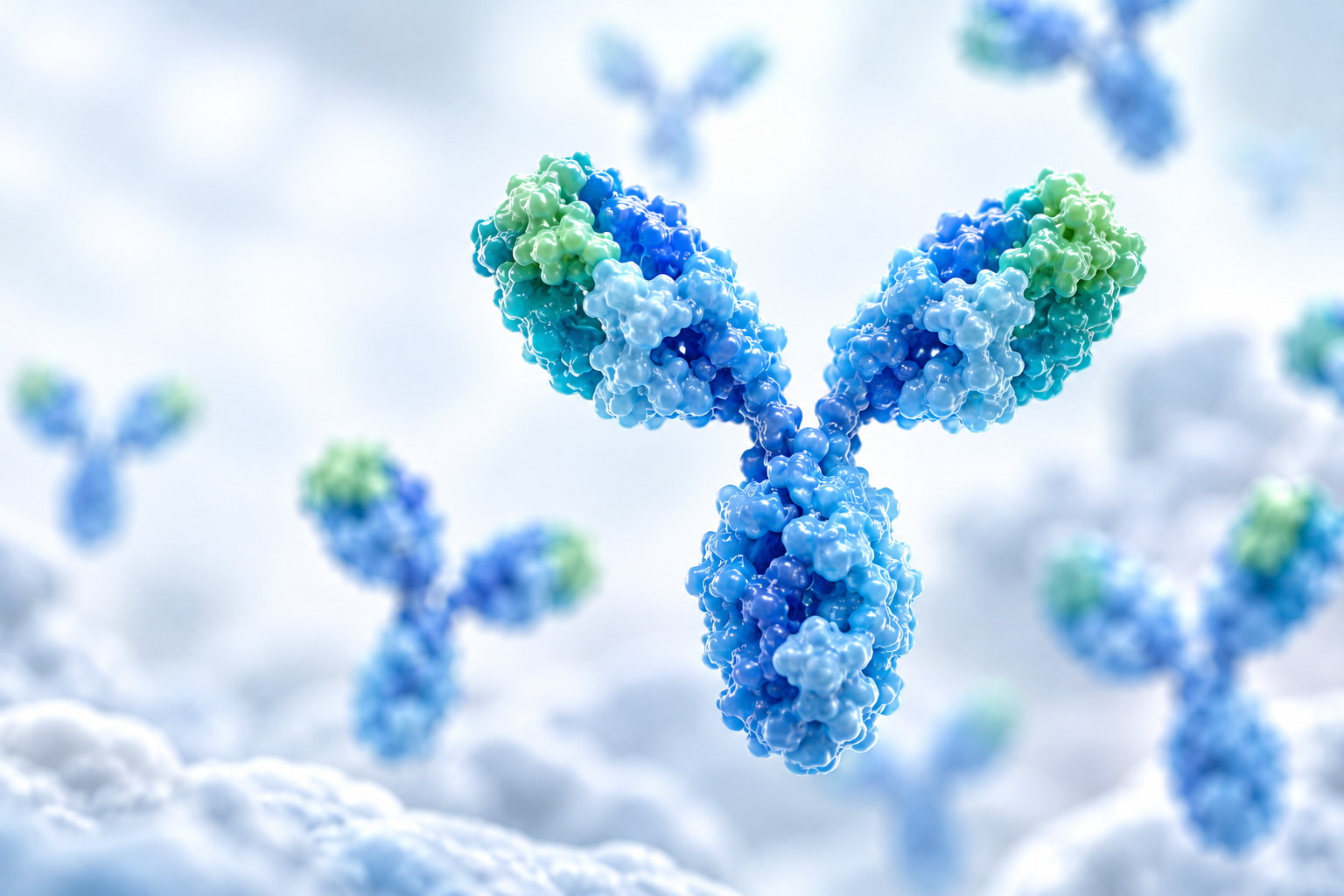
Here is What We'll Discuss
What is that peak?
The question becomes even more pressing when your compound is biosimilar. To ensure analytical similarity, you need to measure and control your constants and variables.
icIEF Technology and Reagents
icIEF technology and reagents are required for its ability to reveal key critical quality attributes, and a deep understanding of the icIEF profile – including the content of each peak – is crucial for biosimilars developers.
Imaged Capillary IsoElectric Focusing (icIEF)
icIEF is a gold-standard method for assessing the critical quality attribute of charge heterogeneity in protein-based biotherapeutics. Surprises in the charge heterogeneity profile are unpleasant but do occur. But what do you DO to determine the identity of each of the biotherapeutic protein's icIEF peaks?
icIEF Fractionation
icIEF has been challenging before, but with patented AES technology solutions focused on fractionation, you can – in days, rather than months – collect enough quantity – in high enough purity to perform deep profiling of each peak.
In this webcast, we delve deeper into each peak
using high-yield icIEF fractionation, which provides sufficient material within days for deep profiling of your compound – for each icIEF peak: peptide mapping, subunit analysis, or activity-based ligand-binding assays such as surface plasmon resonance (SPR).
icIEF-Mass Spec Online Coupling
icIEF-MS coupling to your favourite mass spectrometer is achievable for simply checking the identity of the peaks.
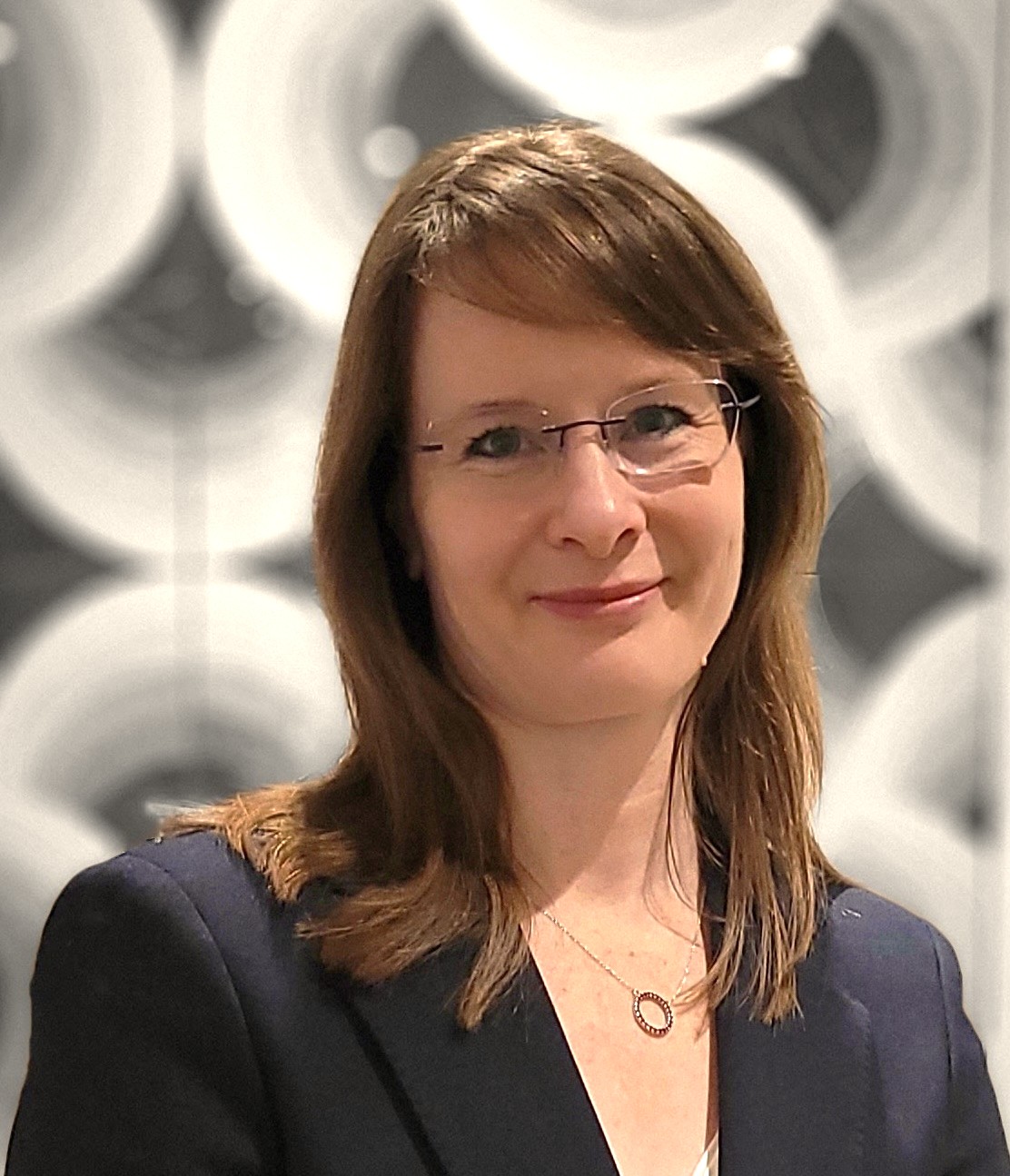
About Milla Neffling, PhD.
Milla Neffling, PhD, is Director of Scientific Marketing and Business Development at Advanced Electrophoresis Solutions Ltd.
She is a life-science analytical systems professional with expertise in bioseparations, including capillary electrophoresis, chromatography, and detection, particularly mass spectrometry.
She helps researchers apply advanced analytical technologies to biologics development and characterisation. Her passion lies in the biopharma industry, specifically therapy product development and biomanufacturing, and in how these disciplines depend on the ability to characterise and measure complexity.
Her PhD focused on the LC-MS detection and quantitation of cyclic peptide toxins, and she has since broadened her scientific background to include antibody therapeutics, cell and gene-therapy applications, and the analysis of complex biotherapeutic modalities
Who Should Attend
Analytical method development experts
Manufacturing Science and Technology (MSAT) and other manufacturing support analytical experts
Biosimilars developers
CROs developing reliable methods for Biotherapeutic characterisation
